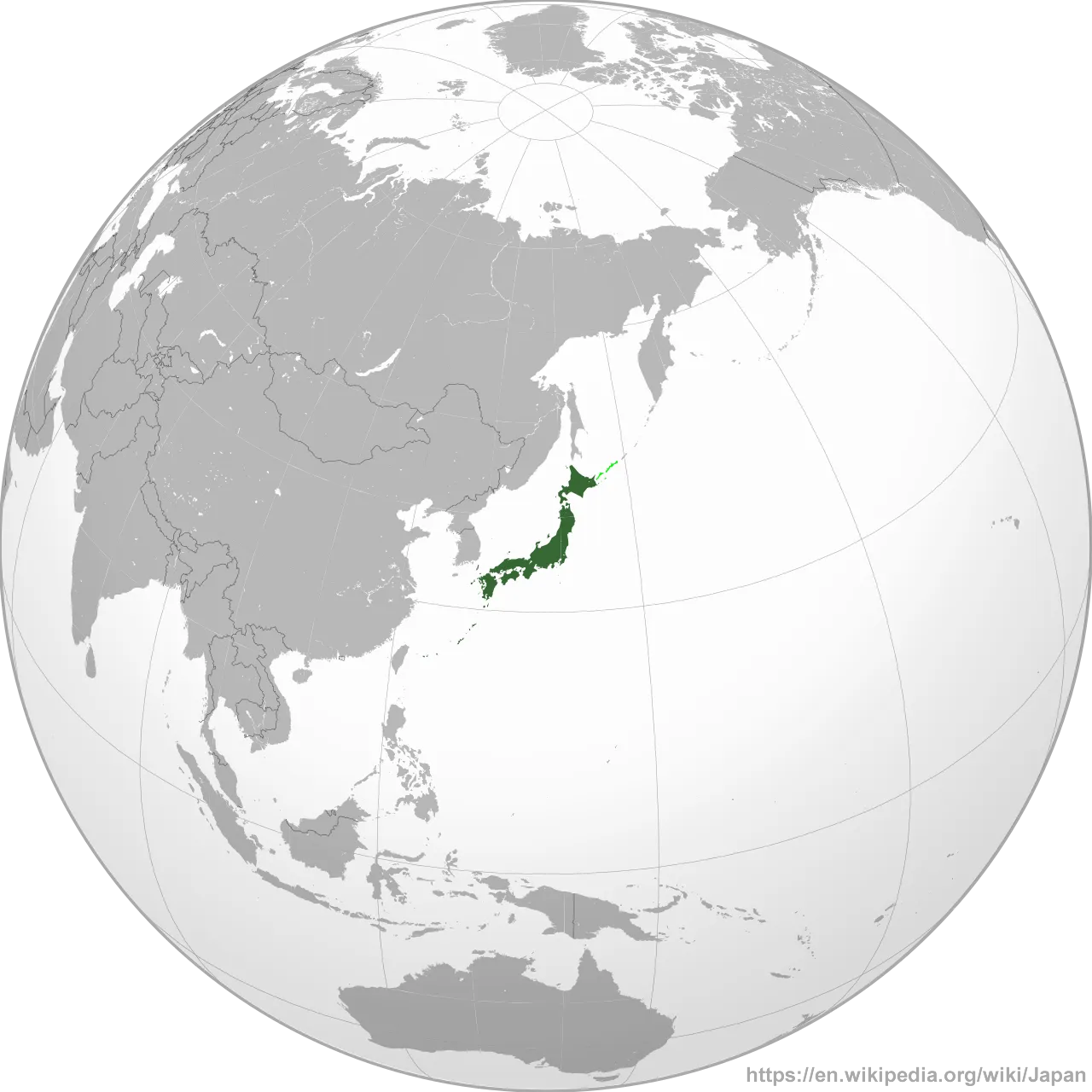
Japanese is the national language of Japan, an island country located off the northeast coast of East Asia, also known as "The Land of the Rising Sun."
Many people have come to study the Japanese language for various reasons, such as Japan's culture, anime and manga, tourism, and so on. While it can be a challenging language to learn, it's also very fun and rewarding! Especially if you plan to visit Japan or use the language on a daily basis in your work or hobbies.
One thing that can help make studying Japanese easier is having a goal that can motivate you to study. This can be conversing with natives in Japan, reading manga in Japanese, or becoming a translator. Any goal is a good goal, as long as it keeps you motivated!
The Japanese Writing System
Now, let's take a brief look at the writing system. Japanese consists of three main scripts: Hiragana, Katakana, and Kanji. You can see all three of them in the example below.
ハンバーガーを食べます。
I will eat a hamburger.
Hiragana and Katakana are similar to the alphabet in English in that they represent sounds. Hiragana is soft and round-looking whereas Katakana is straight and sharp-looking. Kanji are similar to pictograms and ideograms, and represent multiple readings (sounds) and meanings depending on how they're used. In this example, the Kanji 食 means "eat."
One important thing to point out is that Japanese contains NO spacing in sentences. Instead, Kanji (食), particles (を), verb endings (ます), and other elements help give us an idea of where things begin and end. In regards to educational materials, however, spaces will sometimes be used to help make reading and comprehending example sentences easier for new learners as you will see in the examples below.
Hiragana
Hiragana is used for grammatical elements (such as particles, conjugations, etc.) and native Japanese words that are not written in Kanji. You will also find children's books written entirely in Hiragana, like the example below.
I like cats.
This is a fairly common practice when tailoring books/resources/etc. to those who do not know Kanji and you'll see Hiragana used often on Kantan Japanese when a Kanji hasn't been introduced yet.
Katakana
Katakana is used for transliterating loanwords and foreign names.
My name is Seth.
Outside of being used for loanwords, you may see Katakana being used like italic fonts or uppercase characters for emphasis.
I REALLY like pizza.
すごく (very; a lot) is normally written in Hiragana, but here it is written in Katakana for emphasis. ピザ (pizza) on the other hand is a loanword and is almost always written in Katakana.
One final point to note is that you may also see Katakana being used for other creative purposes in writing, such as using all Katakana for the speech of robots which we usually convey by using all capital letters in English. So, if it is not a loanword, foreign name, or emphasis, it is most likely a creative decision for Katakana being used.
Kanji
Kanji are Chinese characters that represent both sounds and meanings. They're essentially like pictograms and ideograms.
一 (one) 二 (two) 三 (three)
As you can see above, the meaning for the Kanji is in parentheses and the reading (sound/pronunciation) for the Kanji is underneath. Kanji can have multiple different readings and meanings, for example, 日 can mean "sun" but it can also mean "day" as in "today" (今日). One way to remember additional meanings like this is to think up mnemonics like "Daytime is the sun's domain."
Furigana
In the examples above you may have noticed texts underneath each example sentence and Kanji. This is called 振り仮名. Furigana is used for Kanji to help show how a word or name written in Kanji is pronounced, but it can also be used for other things, such as displaying Romaji for Hiragana. You'll see Furigana used often in material aimed at children and teenagers, such as manga, or in the case of Japanese learners, educational materials such as this website!
Furigana can be helpful, but try not to rely on it too much! When it comes to memorizing the pronounciation of Kanji words, read it first with Furigana on, then turn the Furigana off and try to read it again without it on. You can toggle Furigana at any time by opening the Quick Navigation in the top left > Page Links & Settings at the top > Furigana or by pressing CTRL+ALT+F.
You should now have a general idea of the three scripts that we'll be studying this lesson. We'll be going over each script in more detail in their respective sections, with Hiragana being up first. But before we do that, there's one important thing you should do first: setup a Japanese IME (Input Method) for typing in Japanese as this will be needed for a majority of our practice exercises.
Click "How to Type in Japanese" below to learn how to setup your Japanese IME!